Haringey Council rules for waste from upholstery cleaning: what to do with wastewater, sludge and debris
If you have ever finished a sofa or armchair clean and stared at the leftover bucket, dirty rinse water, fluff, and grimy residue, you will know the awkward bit starts after the cleaning does. The real question is not just how to make upholstery look fresh again. It is how to deal with the waste properly, in line with Haringey Council rules for waste from upholstery cleaning, without causing drain problems, nuisance, or a disposal headache.
This guide explains the practical side in plain English: what counts as waste, how it is normally handled, what a local cleaner should think about, and where people most often go wrong. It is written for homeowners, tenants, landlords, cleaners, and business owners who want a sensible, compliant approach. And yes, some of it is a bit more boring than the cleaning itself. That is life, unfortunately.
Along the way, we will also touch on related cleaning services and local reading that may help if you are planning a deeper refresh, such as professional upholstery cleaning in Harringay, deep cleaning support, and the company's health and safety policy for a fuller view of safe working practices.
Why Haringey Council rules for waste from upholstery cleaning Matters
Upholstery cleaning creates a few different waste streams, and they are not all treated the same way. Dirty extraction water, removed grime, vacuumed dust, lint, hair, spot-treatment residues, and sometimes packaging from cleaning products all need sensible handling. If this waste is poured or dumped carelessly, the result can be blocked drains, foul odours, water pollution risk, or just an unpleasant mess that nobody wants to deal with on a Tuesday morning.
Haringey Council rules for waste from upholstery cleaning matter because they sit at the point where domestic cleaning meets public responsibility. Most people are not trying to do anything wrong. They simply rinse a machine, empty a bucket, or tip wastewater somewhere that seems convenient. The trouble is that "convenient" is not always "safe" or "acceptable".
There is also a simple reputational angle. If you are a tenant at the end of a lease, a landlord preparing a property, or a cleaning contractor working locally, handling waste properly shows care. It suggests you understand your duties, and that can help avoid awkward conversations later. In our experience, that sort of quiet competence matters more than people expect.
Expert summary: The safest approach is to treat upholstery cleaning waste as something to manage deliberately, not as an afterthought. Separate solids from liquids, avoid overloading drains, keep chemicals controlled, and dispose of materials responsibly.
There is another practical reason too. Good waste handling protects the clean itself. If dirty water is allowed to spill back onto floors, walls, or soft furnishings, you can undo the very result you worked for. Bit annoying, honestly.
How Haringey Council rules for waste from upholstery cleaning Works
At a local level, the key idea is straightforward: waste should be handled so it does not create a nuisance, pollution, or avoidable damage. For upholstery cleaning, that usually means thinking in three categories.
1. Wastewater
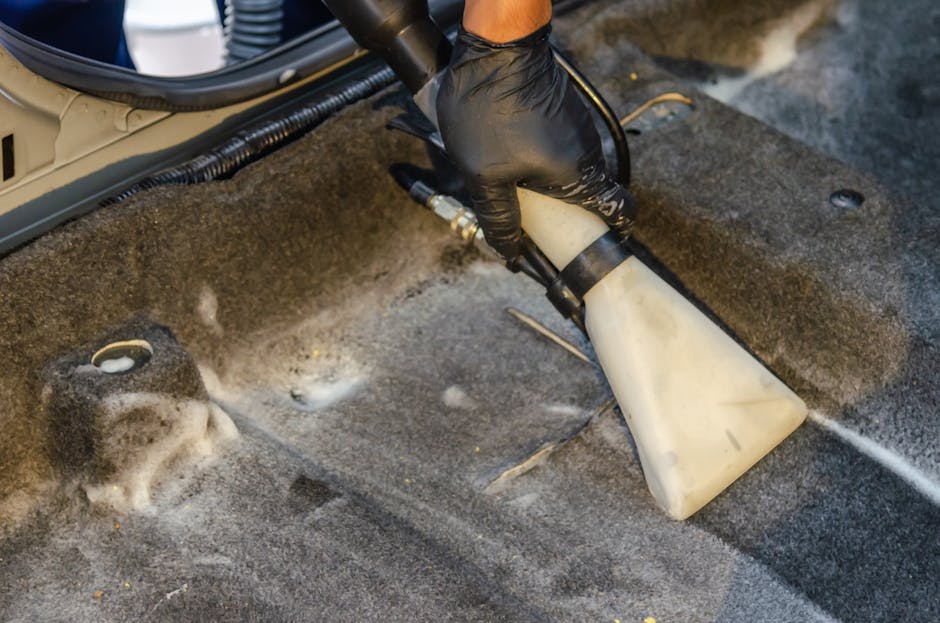
This is the dirty liquid collected during extraction or rinsing. It may contain detergent, loosened soil, body oils, dust, and other residues from the fabric. It should never be treated casually, because what looks like "just water" often carries fine solids and cleaning chemicals.
2. Solid waste
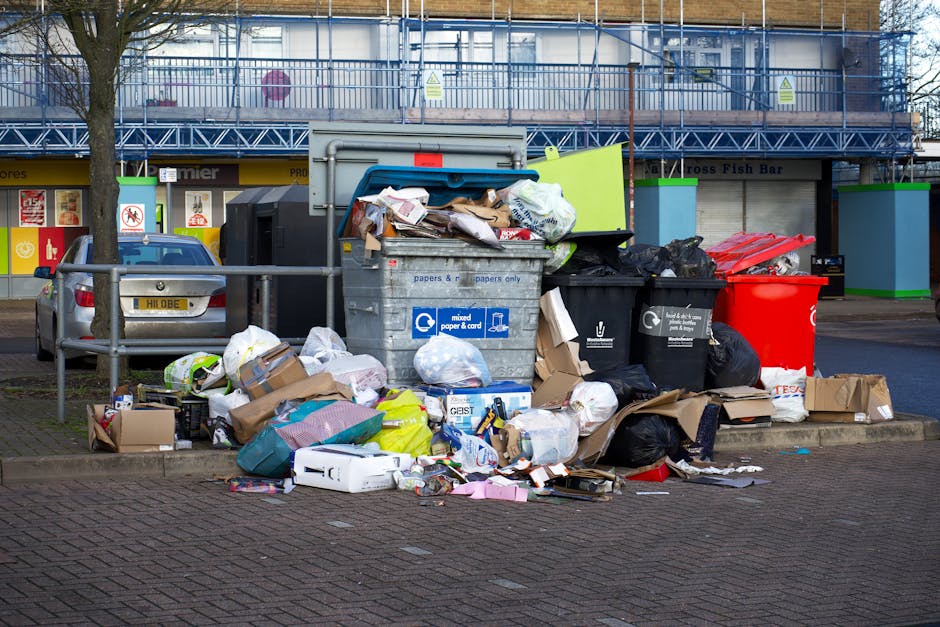
Lint, hair, crumbs, fabric fluff, dried soil, and disposable cloths all fall into the solid side of the job. These materials are usually easier to manage, but they still need correct disposal. A vacuumed pile of debris is not the same as general household rubbish if it includes contaminated cleaning materials or product-soaked wipes.
3. Chemical containers and residues
Empty bottles, trigger sprays, diluted solutions, and leftover product should be handled according to the product instructions and standard UK waste practice. Some materials can go into general refuse once fully emptied and safe, while others need more care. Always read the label and do not assume all cleaning products can be treated the same way.
In practical terms, the "rules" are less about a single dramatic prohibition and more about using common-sense compliance. Avoid pouring anything questionable into surface water drains. Do not discharge contaminated water where it could enter the wrong system. Keep solid waste contained. And if you are cleaning commercially, keep records and procedures clear enough that everyone on the job knows what happens next.
If you want a broader look at how local cleaning work is framed, the services overview and insurance and safety information are useful background reading.
Key Benefits and Practical Advantages
Getting waste handling right is not just about avoiding trouble. There are real, everyday advantages.
- Less risk of drain issues: Fine solids and product residue can build up surprisingly quickly.
- Cleaner finish: Proper collection and disposal stop wastewater from being spread back through the property.
- Better hygiene: Upholstery waste can carry odour and bacteria from old spills, pets, and general use.
- More professional presentation: Important for landlords, tenants, office managers, and anyone showing a property.
- Lower chance of complaints: Neighbours, building managers, and household members are less likely to be bothered by smells or mess.
There is also a hidden benefit: once your waste handling routine is organised, the whole cleaning job becomes calmer. You are not improvising with half-full buckets or wondering where to tip the last rinse water. You just follow the process. Simple, tidy, done.
For people comparing local services, it can help to look at related pages such as pricing and quotes and one-off cleaning in Harringay to see how a professional job is typically packaged.
Who This Is For and When It Makes Sense
This topic is relevant to a wider group than many people think. It is not just for cleaners with machines in the van.
- Homeowners doing a DIY sofa or chair clean and wondering where the dirty water should go.
- Tenants trying to leave a property tidy without causing plumbing problems or leaving residue behind.
- Landlords and letting agents who need upholstery refreshed between occupancies.
- Office managers arranging fabric chair or reception seating cleaning in shared spaces.
- Cleaning businesses that need a repeatable waste process for compliance and client confidence.
It makes the most sense to think about these rules whenever the cleaning job uses water, detergent, or mechanical extraction. If the work is dry vacuum-only, the waste profile is much simpler. But once water and soil are mixed, even a modest job starts to have disposal implications.
A quick example: a rented flat near a busy road, one tired sofa, and a small extractor machine. The job looks tiny, but after two passes you may have a bucket full of grey water and a carpet of fluff around the machine. If you ignore the waste side, you can end up with a smelly bucket in the hallway and a floor drain that really did not need the extra attention. Not ideal.
If you are planning broader property care at the same time, the end of tenancy cleaning service can be a sensible companion to upholstery work, especially when you want one coordinated clean rather than a series of disconnected tasks.
Step-by-Step Guidance
Here is the practical approach we would recommend for most upholstery cleaning jobs in Haringey.
- Inspect the fabric and the dirt load. Check whether the upholstery is heavily soiled, stained, or delicate. Different fabrics create different runoff and residue.
- Choose the right cleaning method. Hot water extraction, low-moisture cleaning, foam, or dry cleaning will each produce different waste. Match the method to the material.
- Protect the surrounding area. Lay towels, use corner guards if needed, and keep a clear path for waste containers. Small thing, big difference.
- Collect wastewater in a controlled container. Do not let it spill across the property. Empty carefully and avoid overfilling.
- Separate solids from liquids where practical. Lint and debris can be bagged; wastewater can be managed separately in line with good practice.
- Check cleaning product instructions. Some products have specific disposal directions. Follow them rather than guessing.
- Dispose of waste responsibly. Use the correct household or commercial route depending on the material involved and the job setting.
- Rinse equipment safely. Keep rinse water controlled and avoid leaving product residue in machine tanks or hoses.
- Finish with a final site check. Look at the floor, skirting, drains, and any bucket or cloth storage area. The room should look cleaner, not busier.
One useful habit is to build a "cleaning and waste" checklist into the job itself. People often write the first half of the process down and then forget the disposal side. That is exactly where mistakes happen.
For more context on safe, organised service delivery, you may also want to look at the company's terms and conditions and complaints procedure. They are dry reading, admittedly, but useful if you like knowing how things are handled when something goes wrong.
Expert Tips for Better Results
Good waste management is usually about small habits done consistently. Here are the ones that make the biggest difference.
- Use less chemical than you think you need. Over-dosing creates more residue and a nastier waste stream.
- Pre-vacuum thoroughly. The less dry soil you pull into wet waste, the easier disposal becomes.
- Keep a dedicated waste bucket or tank liner. Mixing clean and dirty tools is a classic time-waster.
- Work methodically around the property. Stopping and starting creates more spill risk than a steady rhythm.
- Ventilate the room. Drier fabric and fresher air mean less lingering odour from residues.
- Label chemical containers clearly. Especially useful if several people are working on the same job.
One small thing that makes a surprisingly big difference: keep a "dirty side" and "clean side" in your setup. On the dirty side you place wastewater, used cloths, and debris bags. On the clean side you keep fresh towels, protected tools, and spare product. It sounds fussy. It is not. It just saves hassle later.
And if the upholstery is part of a bigger refresh, such as spring tidy-up work before guests arrive or after a long winter, the spring cleaning service can be a useful reference point for planning the wider job.
Common Mistakes to Avoid
Most problems with upholstery cleaning waste are not dramatic. They are small, repeated, and easy to prevent.
- Pouring dirty water down the wrong drain: especially where the water contains suspended dirt or product residue.
- Assuming "clear" means "clean": wastewater can look lighter while still carrying chemicals and fine solids.
- Leaving wet cloths in a pile: that is a quick route to smell, mould, and complaints.
- Using too much water on delicate upholstery: it can create more waste than the job needs and increase drying time.
- Ignoring product labels: not every cleaner is designed for the same disposal route.
- Skipping the post-clean inspection: small drips on a floor or hallway can be overlooked until they become someone else's problem.
There is also a big human mistake: rushing the disposal because the main job is done. Truth be told, that is when people get sloppy. The sofa looks fresh, the customer is happy, and everyone wants to leave. But the last ten minutes matter just as much as the first ten.
For householders who want a broader cleaning routine that keeps waste to a minimum, domestic cleaning in Harringay can help establish better habits across the whole home.
Tools, Resources and Recommendations
You do not need fancy equipment to handle upholstery cleaning waste properly, but a few basics help a lot.
| Tool or item | What it helps with | Why it matters |
|---|---|---|
| Wet vacuum or extraction machine | Collecting dirty rinse water | Reduces spills and keeps the job contained |
| Sealable waste bags | Lint, cloths, and solid debris | Keeps odour and mess under control |
| Dedicated buckets | Separating clean and dirty water | Prevents accidental cross-contamination |
| Microfibre cloths | Spot cleaning and wipe-downs | Reusable, efficient, and less wasteful |
| Gloves | Handling waste and chemicals | Basic protection and better hygiene |
| Ventilation support | Drying and odour control | Helps finish the job properly |
When choosing a service, look beyond the cleaning headline and ask how waste is handled. A good provider should be comfortable explaining their process in simple terms. If the answer sounds vague or hand-wavy, that is a bit of a warning sign.
You can also explore the broader services overview if you are comparing one-off, recurring, or more comprehensive options. For booking and payment confidence, the site's payment and security page may also be helpful.
Law, Compliance, Standards, or Best Practice
We should be careful here: this article is not legal advice, and specific obligations can depend on the exact waste type, property setting, and who is doing the work. Still, a few general principles are safe to rely on.
In the UK, waste should be managed so it does not create pollution, nuisance, or unsafe conditions. For upholstery cleaning, that means being cautious with anything that may enter drains, surface water systems, or shared communal areas. If a job involves commercial premises, larger volumes, specialist detergents, or anything unusual, it is wise to treat the waste as a proper operational issue rather than "just cleaning leftovers".
Best practice usually includes:
- keeping waste streams separate where possible;
- following product disposal instructions;
- avoiding uncontrolled discharge of wastewater;
- training staff on safe handling routines;
- documenting procedures for repeat jobs or commercial sites;
- using appropriate personal protective equipment where needed.
For cleaners working professionally, alignment with internal safety policies matters too. If you are part of a business, the about us page and the company's modern slavery statement may sound unrelated at first glance, but together they tell you a lot about operational seriousness and standards-minded working.
And if the job takes place in an office environment, the separate office cleaning service can be relevant because workplace waste handling usually needs a little more structure than domestic work.
Options, Methods, or Comparison Table
Different upholstery cleaning approaches create different waste profiles. This is where people often make decisions too quickly. The best method is not always the strongest one; it is the one that fits the fabric, soil level, and disposal reality.
| Method | Waste produced | Main upside | Main caution |
|---|---|---|---|
| Hot water extraction | More wastewater and loosened solids | Deep clean, strong soil removal | Needs careful water handling and drying time |
| Low-moisture cleaning | Less wastewater, some residue | Faster drying, smaller waste load | May be less aggressive on heavy contamination |
| Foam cleaning | Moderate residue and cloth waste | Useful for some fabrics and light maintenance | Requires good residue removal |
| Dry cleaning | Mostly solid waste and used compounds | Minimal liquid disposal issues | Not suitable for every fabric or stain type |
For many households, low-moisture or carefully controlled extraction is the sweet spot. For heavily used furniture, extraction may still be the right call, but the waste side needs more discipline. That is the trade-off in plain terms.
If you are reading this because a room needs both sofa and carpet attention, it can be useful to compare it with carpet cleaning in Harringay or deep cleaning so the whole job is planned together rather than pieced together.
Case Study or Real-World Example
Picture a fairly typical London flat: one three-seat fabric sofa, two dining chairs, and a small hallway that always seems narrower after 5 pm. The furniture has everyday grime, a few drink marks, and a pet smell that has been quietly building for months. The cleaner uses a controlled extraction method, collects wastewater in a sealed container, vacuums the loosened fibres, and wipes the immediate work area before packing away.
The waste itself is not dramatic. But the difference is in the handling. Because the wastewater was kept contained, there was no smell drifting back through the hallway, no drips by the front door, and no muddy residue left in the sink area. The client notices the sofa, of course. Yet what actually made the visit feel professional was everything that happened around the sofa.
That is a useful lesson. Most people judge a job by the visible result, but a good cleaner judges it by the invisible result too: how the waste was managed, how the room was left, and whether anything might become a problem tomorrow morning. When it is done well, you barely notice the waste at all. Which is kind of the point.
If you are researching local service standards, you may also find the related articles on carpet cleaning costs in N4 and end of tenancy cleaning rules for landlords useful for wider planning.
Practical Checklist
Before and after an upholstery clean, run through this list. It takes a minute and saves avoidable trouble.
- Have I identified the fabric and chosen the right cleaning method?
- Do I know where wastewater will be collected?
- Are the solid waste items bagged and separated?
- Have I checked the cleaning product instructions for disposal guidance?
- Is the work area protected from spills and drips?
- Have I avoided pouring anything questionable into drains?
- Are cloths, pads, and disposable materials sealed away properly?
- Has the surrounding floor been wiped down and inspected?
- Is the room ventilated for drying and odour control?
- Have I left the site tidy, not just "clean enough"?
Quick takeaway: the clean is only finished when the waste is finished. That is the bit people skip, and it is usually where the trouble starts.
If you want help turning that into a simple booking decision, the request a quote page is the natural next step.
Get a free quote today and see how much you can save.
Conclusion
Haringey Council rules for waste from upholstery cleaning are best understood as a practical responsibility rather than a mystery to decode. The main goal is straightforward: keep wastewater, solids, and chemical residue under control so they do not create a nuisance, a drain issue, or a disposal problem.
For most people, that means using the right cleaning method, collecting dirty water carefully, separating waste where possible, and not improvising at the end of the job. It also means asking a cleaner the right question: not just "How will you clean my sofa?" but "How will you manage the waste afterwards?" A decent provider should answer that without hesitation.
If you want to explore the company's wider background, you can also browse the latest local cleaning articles or use contact us when you are ready to speak with a local team.
Do the small things properly, and the big job tends to look after itself. Funny how often that turns out to be true.
Frequently Asked Questions
What counts as waste from upholstery cleaning?
It usually includes dirty wastewater, loosened dirt, lint, hair, removed residues, used cloths, disposable pads, and empty or partially used cleaning product containers. The exact mix depends on the cleaning method and fabric.
Can I pour upholstery cleaning wastewater down the sink?
Sometimes small amounts of suitably diluted wastewater may be handled safely, but you should not assume that is always acceptable. If the water contains heavy soil, grease, or strong chemical residue, it needs more cautious handling. When in doubt, treat it as a waste stream to manage deliberately.
Is upholstery cleaning waste the same as normal household rubbish?
Not always. Solid debris like lint may be fine in general waste if it is dry and uncontaminated, but wet cloths, chemical residues, and dirty water need separate consideration. The safest approach is to separate waste types before disposal.
Do Haringey Council rules apply to DIY cleaning at home?
Yes, the basic responsibility still applies. Even if you are cleaning at home, you should avoid creating pollution, drain problems, or mess in shared areas. The fact that it is a domestic job does not make careless disposal a good idea.
What should a professional upholstery cleaner do with the waste?
A professional should collect wastewater safely, separate solids, follow product instructions, protect the property from spills, and leave the site tidy. If the work is commercial or repeated, they should also have a clear waste-handling routine.
Are there special rules for offices or commercial premises?
Often, yes, in practical terms. Offices may have shared drains, higher foot traffic, and more formal housekeeping expectations. Waste handling there should be more structured than a one-off domestic job, even when the actual cleaning method is similar.
What is the biggest mistake people make with upholstery cleaning waste?
Rushing the disposal stage. People focus on the sofa or chair and forget the dirty water, used cloths, or floor drips. That is usually when issues happen. It is a small part of the job, but not a minor one.
Does low-moisture cleaning create less waste?
Yes, generally it creates less wastewater, which can make disposal simpler. But it is not automatically the best method for every fabric or stain. The right choice depends on the condition of the upholstery and the result you want.
How can I tell if a cleaner is handling waste properly?
Ask them how they collect wastewater, where they dispose of solids, and what they do with used materials. A good cleaner should answer clearly and confidently. If they sound vague, that is worth noting.
Should I worry about odours from leftover cleaning waste?
Yes, especially if wet cloths or wastewater are left sitting around. Odours can develop quickly in warm rooms or enclosed hallways. Good containment and quick disposal help prevent that very common post-clean annoyance.
Where does upholstery cleaning fit into a larger clean?
It often works best as part of a broader home or property refresh, especially before moving out, after heavy use, or during a seasonal deep clean. Combining services can reduce duplicated effort and make waste handling more efficient too.
What should I do if I am unsure about disposal?
Use the safest, most conservative approach: separate waste, keep it contained, and avoid uncontrolled discharge. If it is a professional job, ask the service provider for guidance before starting. A little caution beats a drain problem every time.